Key Takeaways
- The cushion inside a knee pad usually dies first: workers on r/Construction describe cheap foam pads flattening in about a month of daily use, while better-built pads run a year or more.
- Five signs a cushion is done: bottoming out on pebbles, feeling the subfloor through the pad, cushion that no longer rebounds, lopsided wear, and odor that survives washing.
- A dead cushion does not mean dead knee pads. If the shell holds its shape and the straps still lock, replacing the cushion restores the pad.
- NIOSH (CDC) treats padded knee protection as an injury-prevention intervention for workers who kneel — which only works while the padding still absorbs load.
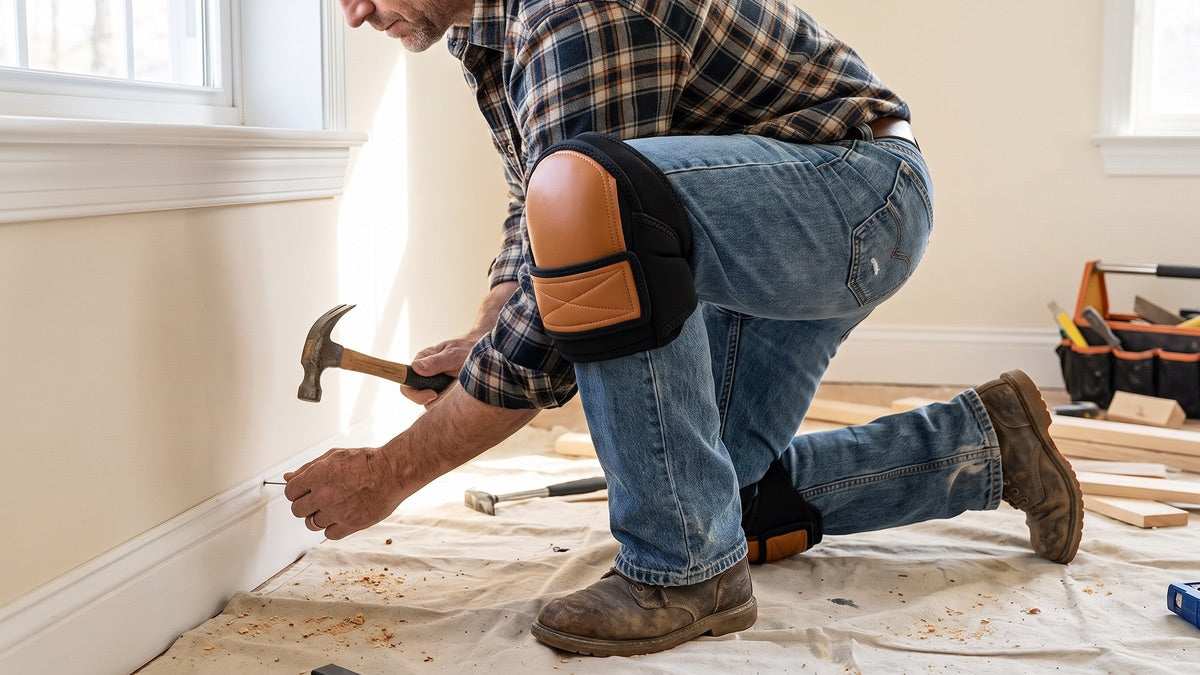
- HMYL EASY builds its soft work knee pads around a replaceable inner cushion, made for compatible HM-1001 configurations, so the pad body outlives the part that wears.
A knee pad cushion almost always flattens long before the shell or straps give out. Workers on r/Construction describe replacing slide-in pads roughly once a year with daily use, while cheap ten-dollar foam pads can die in a month. If the shell still holds its shape and the straps still lock, you don't need new knee pads — you need a new cushion. That's the exact problem the replaceable inner cushion in HMYL EASY's soft work knee pads was built to solve.
Why Knee Pad Cushions Go Flat
Compression set is the foam industry's term for what happens when a cushion gets loaded, heated, and loaded again until it stops springing back. Every time you kneel, your body weight concentrates on a palm-sized area of foam. The cells inside the cushion collapse a little. Sweat and body heat soften the material and speed the process along. Over weeks and months, the foam stops rebounding and stays squashed.
This is a wear part behaving as designed, not a defect. The cushion takes the beating so your knees don't, and NIOSH (CDC) counts padded knee protection among its ergonomic interventions precisely because that padding absorbs load on hard surfaces. A cushion that has compressed to half its original thickness is no longer doing that job.
It happens faster than most people expect. One longtime trade worker on r/Construction put it bluntly: cheap foam pads "lose their cushion super fast," while his fifty-dollar gel pair lasted well over a year. Another replaces his slide-in pads yearly out of habit — and notes the cheap ones "might last a week" once moisture gets into them.
Five Signs Your Cushion Is Done
1. You bottom out on small objects. A healthy cushion absorbs a screw, a pebble, a piece of gravel under the pad. A dead one transmits it straight into the kneecap. If you've started sweeping your work area before kneeling because you don't trust your own pads, the cushion is telling you something.
2. You feel the subfloor through the pad. Kneel on bare concrete. If the hardness comes through on the first contact instead of after a few seconds of load, the foam has lost its thickness. This one creeps up slowly — day to day you adjust, then one day you realize you're dreading the kneel.
3. The cushion doesn't rebound. Press the cushion flat with your thumb and let go. Fresh foam springs back almost immediately. Worn foam stays dented or crawls back slowly. Do this at the center of the pad, where your knee actually lands, not just the edges.
4. The wear is lopsided. Take the pads off and set them side by side. If one cushion is visibly thinner than the other, or one pad is compressed on one side, your knees are getting uneven protection. Most of us favor one knee without knowing it, and the cushions keep score.
5. The smell survives washing. Odor lives in the cushion, not the shell. If you've washed the pads following the care steps and the smell returns within a day or two of work, the foam has absorbed too much to be saved. Our knee pad washing guide covers what to try first — washing buys time, but it can't reflate collapsed foam.

How Long Should Knee Pads Last?
There's no factory expiration date, because the honest answer depends on hours on your knees. Based on what trades workers report:
- Occasional use (a weekend project a month): a quality pad can last several years. Inspect it each season.
- Regular part-time kneeling (roughly 10 hours a week — the threshold one r/Construction worker uses to justify "proper pads"): expect annual cushion replacement as a reasonable rhythm.
- Daily floor work (flooring, tiling, concrete finishing): check the cushion monthly, and expect to replace it at least once or twice a year. Concrete is uniquely hard on cushions — grit and cement paste grind into the foam from both sides, so the best knee pads for concrete guide is worth a read if that's your trade.
Cheap pads shift you to a different math entirely. The worker quoted above got about a month out of ten-dollar foam pads. Buying three or four throwaway pairs a year costs more than maintaining one good set — which is why the r/Construction consensus around premium pads like ProKnee leans on maintenance and rebuild kits rather than replacement. One tile setter in the same thread put it in exactly those terms: expensive pads "will last a lifetime with maintenance, and you can buy rebuild kits too." The replace-don't-rebuy idea isn't a marketing angle we invented; it's how floor workers already talk about gear they trust.

Replace the Cushion or the Whole Pad?
Run this checklist before you spend anything:
- Shell intact? No cracks in the face, no torn stitching holding the cushion pocket, edges still shaped.
- Straps still lock? Buckles or fasteners hold tension, elastic hasn't stretched out, no Velcro packed with dust and debris.
- Fit still right? The pad still sits where you position it.
Three yeses means the pad body is fine and only the cushion is spent — replace the cushion. HMYL EASY sells a replacement inner cushion made for compatible HM-1001 configurations. Check your original model before ordering, since the cushion is not a complete knee pad and doesn't fit every product in the line.
Any "no" on that checklist points at the pad itself. Stretched-out elastic and blown fasteners can't be cushioned back to life, and that's the moment to look at new pads rather than parts. For an overview of what to weigh when that time comes, our knee pads for work guide breaks down strap-on pads versus inserts by how you actually work, and the leather knee pads hub covers the soft-shell line this cushion belongs to.
Make the Next Cushion Last Longer
Three habits stretch cushion life, and none of them cost anything:
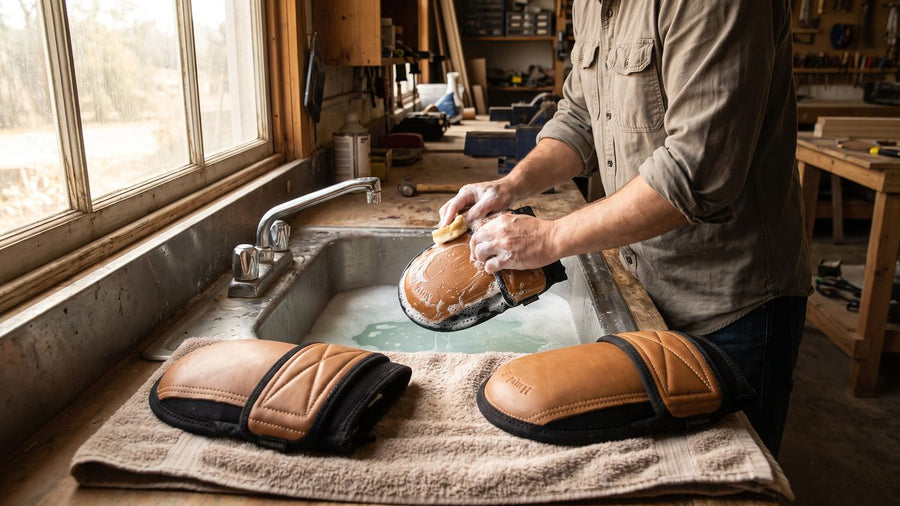
Pull the cushion out to wash. Machine washing the pad with the cushion seated forces the foam through repeated compression cycles it doesn't need. The washing guide linked above walks through the cold-water, hang-dry routine.
Let them dry fully between shifts. Sweat-soaked foam breaks down faster than dry foam. Hang the pads where air moves, never on a radiator or in a dryer — heat is what accelerates compression set.
Store them flat, not folded. A pad shoved in a cramped toolbox spends the weekend under load. Flat storage means the cushion rests in the shape it's supposed to rebound to.
One more consideration if you wear inserts rather than strap-on pads: inserts compress too, just slower, since your pants spread the load. Electricians on r/electricians report foam inserts lasting over a year of daily trade use, even in mud — but when an insert stops rebounding, the same thumb test applies. The breathable work-pant inserts in our line get washed right in the pants, which is worth knowing before you compare the two systems.
Frequently Asked Questions
How often should you replace a knee pad cushion?
With daily kneeling work, expect to replace the cushion every 6 to 12 months. At roughly 10 hours of kneeling per week, about once a year is common. For occasional DIY use, a quality cushion can last several years — press-test it each season instead of going by the calendar.
Can you replace just the cushion instead of buying new knee pads?
Yes, if the shell and straps are still sound. The cushion is the wear part; the shell and strapping are the structure. HMYL EASY offers a replacement inner cushion made for compatible HM-1001 configurations — verify your pad model before ordering.
How do I know if my knee pads are worn out?
Press the cushion with your thumb: if it stays dented instead of springing back, the foam is spent. Other signs include feeling the floor through the pad, bottoming out on small debris, uneven wear between the two pads, and odor that returns right after washing. If the shell cracks or the straps no longer hold tension, the whole pad is done.
Do knee pad inserts wear out too?
Yes, though usually slower than strap-on cushions because pants fabric distributes the load. Electricians on r/electricians describe foam inserts lasting over a year of daily use. Apply the same rebound test — when the insert stops springing back, replace it.
Does washing a knee pad wear out the cushion faster?
Washing done right extends cushion life; washing done wrong shortens it. Use cold water, pull the cushion out of a strap-on pad first, and always hang dry. Machine drying damages the foam and should never happen. The full routine is in our washing guide.
What to Do Next
Pull your knee pads off the shelf and run the five signs. If the shell passes the checklist and only the cushion is flat, order the replacement inner cushion and keep the pad body you've already broken in. If the whole pad has had it, start with the soft work knee pads — the cushion inside is replaceable, so next time this decision takes ten seconds instead of a shopping trip.
Sources:
- NIOSH (CDC), "Ergonomic Solutions in Shipyards: Knee Pads" — padded knee protection as an intervention for workers who kneel on hard surfaces.
- CDC/NIOSH, "Keeping Knees Healthy in Restricted Work Spaces" (Pub. 2008-130) — knee-injury interventions for kneeling work.
- Wikipedia, "Knee pad" (en.wikipedia.org) — pad construction and the split between hard-shell and soft-pad use cases.
- Reddit r/Construction, "Anyone actually happy with their kneepads?" — workers on yearly replacement habits, cheap pads dying in weeks, and rebuildable premium pads (2025–2026).
- Reddit r/Construction, "Best knee pad for layout guy" — a trades worker on foam losing cushion "super fast" versus gel pads lasting over a year (2025–2026).
- Reddit r/electricians, "What are you guys using for knee pads?" — electricians on foam inserts lasting over a year of daily trade use, even in mud (2025–2026).